Smart Cities Course
The Comprehensive Smart Cities Course Guide by IFGICT
Urbanization is accelerating at an unprecedented pace across the globe. By the year 2050, nearly 70% of the entire human population will reside in urban environments. This massive, historic demographic shift places immense, compounding pressure on municipal infrastructure, public utilities, transportation networks, and environmental sustainability frameworks. Traditional methods of city management—historically reactive, siloed, and heavily reliant on manual processes—are no longer equipped to handle the staggering complexities of modern metropolitan populations. Enter the digital transformation of our urban centers, a paradigm shift redefining how societies live, work, and thrive.
To lead this monumental transition, modern professionals require specialized, rigorous education that successfully bridges advanced technology, public policy, and civil engineering. The smart cities course offered by the International Federation of Global & Green ICT (IFGICT) stands tall as the premier global standard for urban digital transformation.
Whether you are a seasoned telecommunications engineer, an ambitious city planner, or a corporate sustainability leader, mastering urban innovation demands an institutional framework backed by international authority. The Smart City SCP certificate provides the exact credentials, deep technical insights, and strategic methodologies required to shape the resilient metropolises of tomorrow.
Why Urban Centers Need Comprehensive Digital Transformation
Modern metropolitan areas generate petabytes of high-velocity data daily. This information flows continuously from traffic sensors, smart electrical grids, public transit tracking feeds, weather monitors, and waste management systems. However, merely collecting vast streams of raw data is only the initial step. The true, insurmountable challenge lies in data integration, robust cybersecurity, and actionable real-time deployment.
Metropolitan authorities face a myriad of critical, interconnected challenges:
Resource Scarcity: Managing precious commodities such as clean water, electrical power, and municipal waste efficiently under strict, legally binding environmental constraints.
Mobility Bottlenecks: Radically reducing urban congestion through intelligent transportation systems, dynamic traffic signaling, and autonomous routing vehicles.
Citizen Engagement: Creating transparent, accessible, digital-first civic services that drastically improve the everyday quality of life for all residents.
Cybersecurity Vulnerabilities: Securing deeply interconnected Internet of Things (IoT) hardware infrastructure against increasingly sophisticated, state-sponsored or rogue digital threats.
Addressing these multi-layered challenges requires cross-disciplinary expertise that traditional academic curricula rarely provide. This is precisely why enrolling in a structured Smart Cities Course has become an absolute necessity for contemporary urban planners, IT specialists, and public administrators worldwide
The Gold Standard in Urban Education: IFGICT
As a globally recognized and respected authority, the International Federation of Global & Green ICT (IFGICT) sets the definitive benchmark for sustainable digital growth and institutional governance. IFGICT is proudly approved and listed by the United Nations, acts as an esteemed IEEE partner, and serves as an active strategic partner of both the ITU and the IEEE Smart Cities Society.
When you choose a training Smart Cities program through IFGICT, you are directly aligning your career with organizations that define global technology frameworks. The Smart Cities course with IFGICT seamlessly integrates rigorous academic theory with real-world, hands-on deployment strategies used by leading cities across the globe.
Recognition, Accreditation, and Global Standing
UN Listed: Officially recognized for outstanding contributions to sustainable development goals, digital inclusion, and green governance.
IEEE & ITU Partnerships: Deeply aligned with top-tier international engineering bodies and telecommunication standards organizations.
IEEE Smart Cities Society Strategic Partner: Ensuring curriculum relevance with cutting-edge global research and interoperable standards.
Core Pillars of the Smart Cities Professional Course
A comprehensive Smart City Professional Course must cover an exceptionally vast spectrum of subjects, moving far beyond basic IoT sensor concepts to encompass municipal governance, behavioral economics, and physical engineering resilience.
1. Advanced IoT Architecture and Sensor Networks
The nervous system of any smart metropolis consists of millions of interconnected sensors. Students learn how to deploy edge-computing nodes, manage low-power wide-area networks (LPWAN), and design resilient data pipelines that can withstand network disruptions during severe weather events or civil emergencies.
2. Artificial Intelligence and Urban Analytics
Data without intelligence is merely noise. The curriculum explores advanced machine learning models capable of predicting traffic flows before gridlock occurs, optimizing electrical microgrids, and automating municipal maintenance requests before physical equipment failures manifest in the field.
3. Regulatory Frameworks and Ethical Compliance
Understanding public policy is just as critical as understanding core technology. This segment evaluates global compliance mandates, ensuring that urban data deployments strictly respect citizen privacy, maintain civil liberties, and avoid algorithmic bias in public service delivery.
Navigating the Smart Cities Standard and Audits
Standardization is vital for cross-departmental and cross-vendor interoperability. Without universal frameworks, modern cities risk building isolated technological silos that cannot communicate, share resources, or respond cohesively to crises.
The Critical Importance of the Smart Cities Standard
A robust Smart Cities standard ensures that hardware components, software platforms, and communication protocols remain fully compatible across different municipal departments and private vendors. The curriculum details international benchmarks, helping practitioners design scalable, future-proof architectures that withstand technological obsolescence.
Conducting a Comprehensive Smart Cities Audit
Evaluating an existing municipal infrastructure requires specialized, highly methodical assessment procedures. Through a dedicated Smart Cities audit, professionals learn to pinpoint performance bottlenecks, energy inefficiencies, and cybersecurity vulnerabilities across public assets.
Energy Audits: Measuring power consumption patterns across street lighting grids, municipal buildings, and public mass transit fleets.
Data Flow Audits: Analyzing how information moves securely from edge collection devices to central command dashboards.
Resilience Testing: Simulating emergency disaster scenarios to verify the absolute robustness of critical municipal infrastructure.
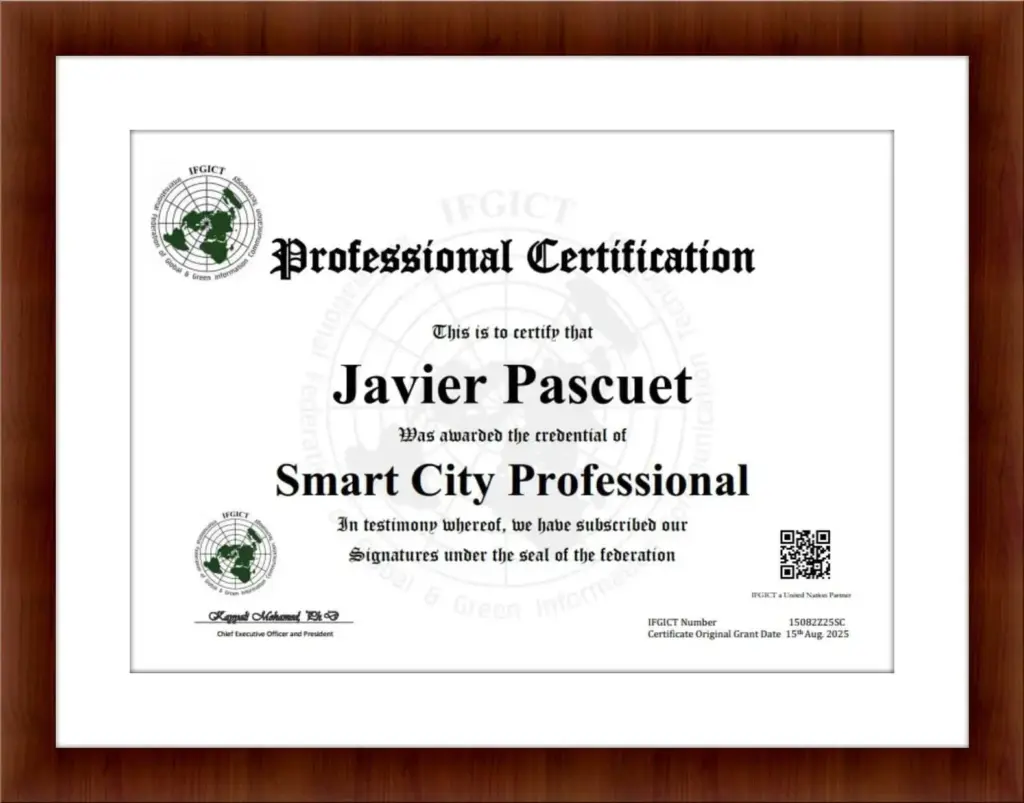
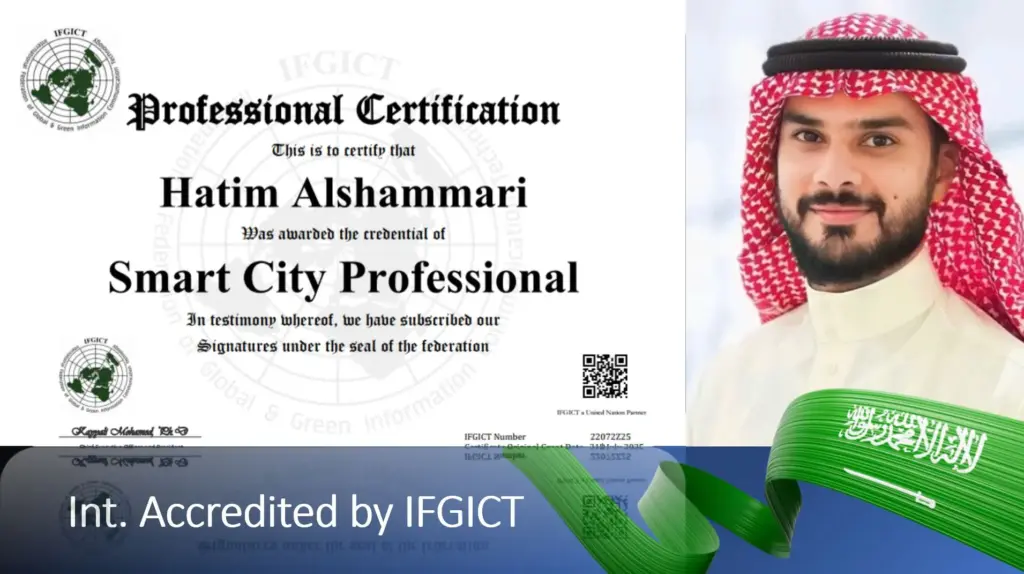
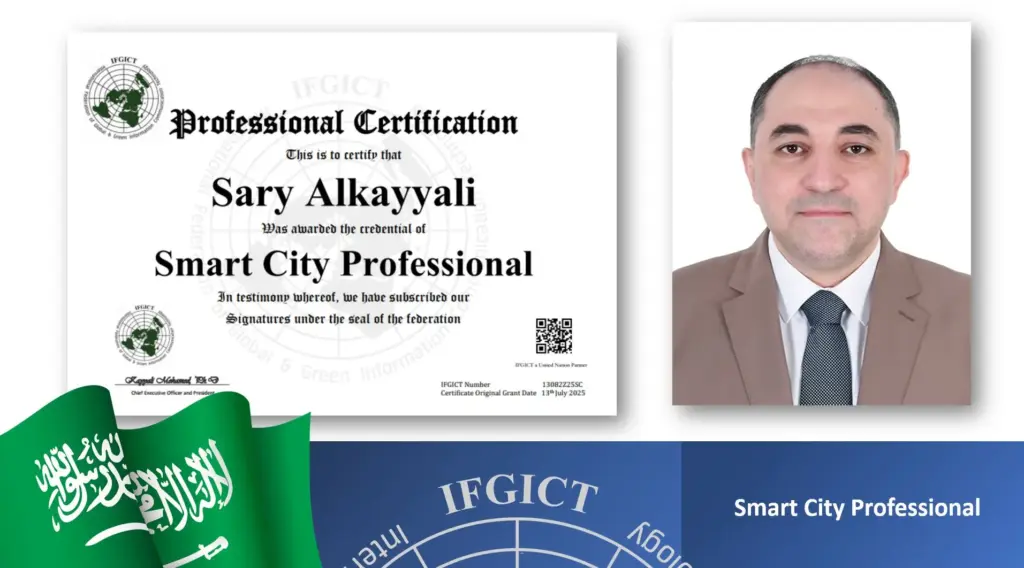
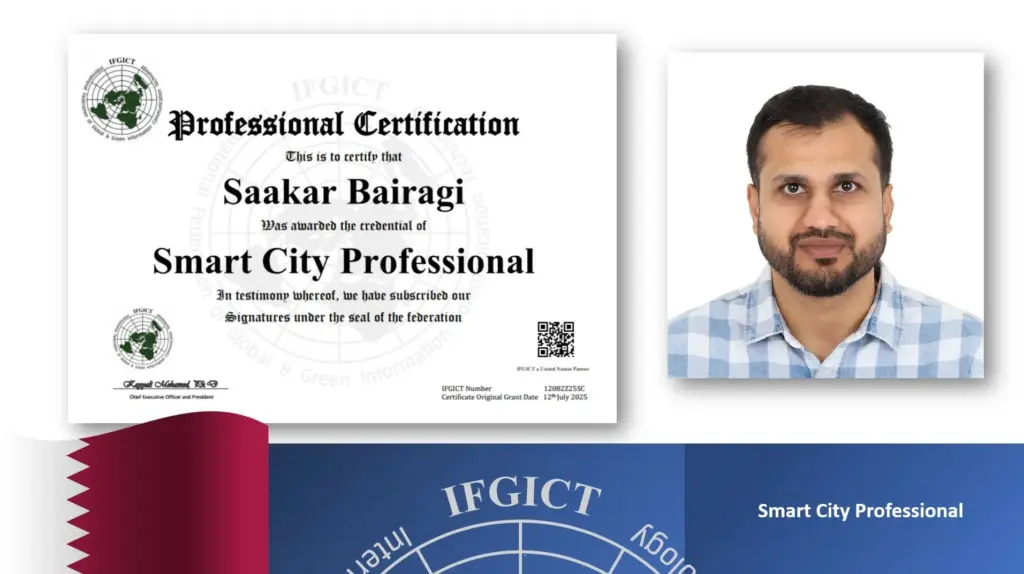
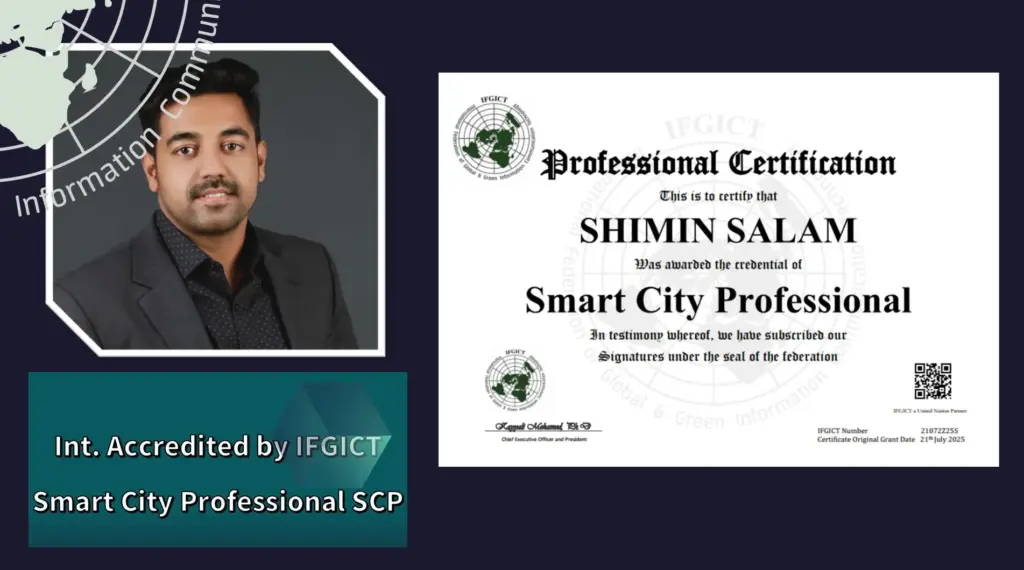
Professionals seeking to lead these vital assessments will find that the Smart Cities certificate issued by IFGICT validates their capability to execute high-level municipal evaluations with precision and authority.
Flexibility and Access: Smart City Course Online
Modern professionals demand absolute educational flexibility. Balancing executive responsibilities, complex engineering projects, or demanding municipal duties requires a learning platform that dynamically adapts to tight schedules without sacrificing academic rigor.
The Smart City course online through IFGICT delivers world-class, university-grade education directly to your screen, wherever you are located across the globe.
Key Benefits of Online Enrollment
Self-Paced Learning Modules: Study intricate architectural designs, data governance models, and policy frameworks at your own speed and convenience.
Interactive Global Forums: Collaborate with fellow urban planners, civil engineers, and public policy makers from diverse international backgrounds.
Digital Resource Library: Access comprehensive whitepapers, peer-reviewed case studies, and implementation guides updated to reflect modern technological breakthroughs.
For those ready to advance their careers without pausing their professional lives, exploring the online learning pathways at IFGICT provides immediate access to cutting-edge curricula.
Achieving Ultimate Mastery with the Smart Cities Professional SCP
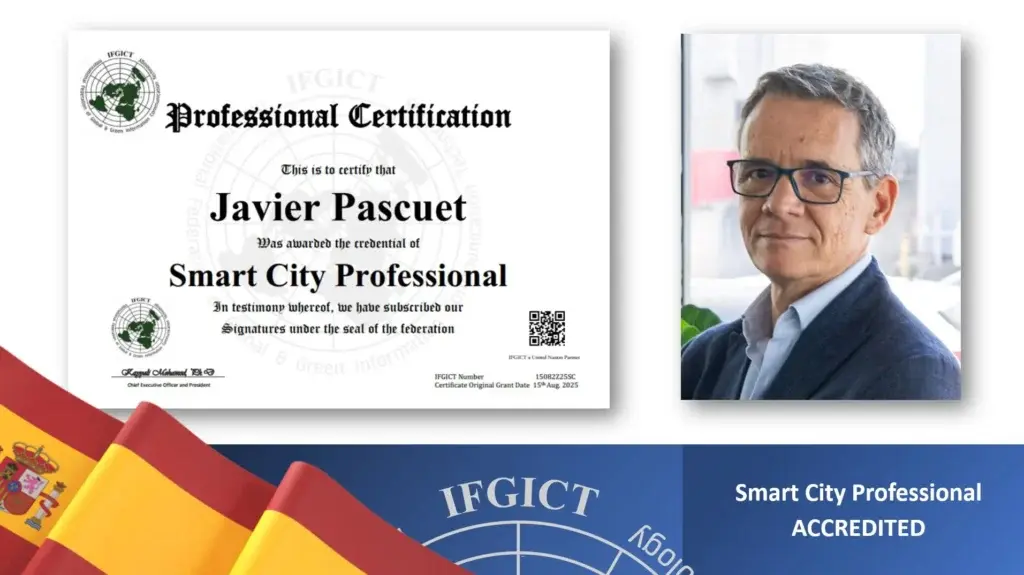
The Smart Cities Professional SCP credential is globally recognized as the leading validation for urban transformation experts. It demonstrates to employers, municipal government agencies, and international partners that you possess the rigorous analytical, administrative, and technical skills required to design modern urban ecosystems.
Who Should Enroll in This Elite Program?
Municipal Leaders & Mayors: Seeking to modernize public administration, streamline budgets, and elevate citizen-centric services.
Urban Planners & Architects: Integrating digital layers seamlessly into physical urban design and zoning blueprints.
IT & Telecom Executives: Deploying municipal-scale telecommunications, 5G backbones, and IoT communication networks.
Sustainability Directors: Ensuring strict green compliance, carbon-neutral targets, and long-term ecological urban growth.
By earning the Smart Cities Professional SCP designation, graduates position themselves firmly at the forefront of the multi-billion-dollar global urban technology sector.
Synergy with IEEE and Global Technology Standards
The evolution of smart urban technology relies heavily on deep, cross-industry collaboration. The strategic partnership between IFGICT, the ITU, and the Smart Cities IEEE network guarantees that all curriculum content remains fully synchronized with the latest peer-reviewed engineering research.
Why IEEE Alignment Matters
The Institute of Electrical and Electronics Engineers sets the critical electrical, electronic, and computing standards that power modern civilization. By integrating these technical benchmarks directly into our Smart Cities Training programs, participants gain unmatched insights into hardware interoperability, wireless spectrum management, and electrical grid modernization.
Frequently Asked Questions (FAQ)
What is a smart cities course?
A smart cities course is a specialized educational program designed to teach professionals how to design, manage, and secure modern urban infrastructure using digital technologies, IoT, AI, and sustainable frameworks.
Why is the SCP certification considered the leading credential?
The Smart City SCP certificate is recognized globally as the premier credential because it is backed by the International Federation of Global & Green ICT, with institutional recognition from the UN, ITU, and IEEE partnerships.
Can I complete the training online?
Yes, professionals can enroll in the Smart City course online platform, allowing for flexible, self-paced learning combined with global case studies and expert mentorship.
Who should enroll in Smart Cities Professional training?
The program is ideal for city planners, municipal officers, IoT engineers, sustainability consultants, and corporate leaders aiming to specialize in urban digital transformation.
How do I register or get more information?
To learn more about enrollment, schedules, and curriculum details, you can visit IFGICT or reach out directly via email at [email protected].
References
-
International Federation of Global & Green ICT (IFGICT). Global Smart Cities Framework and Standards. Official Documentation, 2026.
-
Institute of Electrical and Electronics Engineers (IEEE). Smart Cities Society: Interoperability and IoT Protocols in Urban Planning. IEEE Press, 2025.
-
International Telecommunication Union (ITU). Sustainable Digital Communities and Municipal Resilience Guidelines. ITU Publications, 2025.
-
United Nations Department of Economic and Social Affairs (UN DESA). World Urbanization Prospects: The 2036 Revision. United Nations, 2026.
The evolution of smart urban technology relies heavily on deep, cross-industry collaboration. The strategic partnership between IFGICT, the ITU, and the Smart Cities IEEE network guarantees that all curriculum content remains fully synchronized with the latest peer-reviewed engineering research.
Why IEEE Alignment Matters
The Institute of Electrical and Electronics Engineers sets the critical electrical, electronic, and computing standards that power modern civilization. By integrating these technical benchmarks directly into our Smart Cities Training programs, participants gain unmatched insights into hardware interoperability, wireless spectrum management, and electrical grid modernization.
IFGICT, the world’s largest Information and Communication Technology (ICT) federation, is a leading independent organization Registered in USA as Non for Profit NGO # 6431646 dedicated to shaping the future of the industry.
Useful Links
Working hours
Monday – Friday from 8:30 am – 5:30 pm EST
Mon – Fri: 8AM – 5PM Saturday: 8AM – 3PM
Sunday: Closed